Sofa and Upholstery Cleaning near Longford Station
If your sofa is looking a bit tired, holding onto pet smells, or showing the sort of marks that seem to appear from nowhere, you are not alone. Sofa and upholstery cleaning near Longford Station is one of those services people usually only think about when the fabric has already lost its spark. The good news? A proper clean can do far more than freshen things up. It can lift ingrained dirt, reduce lingering odours, and help your furniture last longer. In a busy home, with commuters, kids, pets, takeaway nights, and the odd muddy coat, that matters.
This guide explains what sofa and upholstery cleaning involves, how it works, what results you can realistically expect, and how to choose the right approach for different fabrics and situations. You will also find practical tips, a comparison table, a checklist, and answers to the questions people ask most often.
Table of Contents
- Why Sofa and Upholstery Cleaning near Longford Station Matters
- How Sofa and Upholstery Cleaning near Longford Station Works
- Key Benefits and Practical Advantages
- Who This Is For and When It Makes Sense
- Step-by-Step Guidance
- Expert Tips for Better Results
- Common Mistakes to Avoid
- Tools, Resources and Recommendations
- Law, Compliance, Standards, or Best Practice
- Options, Methods, or Comparison Table
- Case Study or Real-World Example
- Practical Checklist
- Conclusion
- Frequently Asked Questions
Why Sofa and Upholstery Cleaning near Longford Station Matters
Sofas are magnets for everyday life. Dust settles into the fibres, skin flakes build up, crumbs vanish into cushions, and liquids leave behind residues even when the surface looks fine. Upholstery, whether on dining chairs, headboards, footstools, or armchairs, behaves the same way. It looks calm on the outside and quietly collects everything behind the scenes.
Near Longford Station, homes and rented properties can see a lot of passing traffic. People are in and out, shoes bring in grit, and moisture can creep in on rainy days. Truth be told, a sofa does not just get dirty from visible spills. It dulls gradually. That slow dulling is what most people notice first: the fabric looks flat, the arms feel sticky, and there may be a faint smell that never quite disappears.
Professional upholstery care matters because it is not just about appearance. Deep cleaning can help remove embedded soil that regular vacuuming misses. It can also support better hygiene for people with allergies or sensitivities, although it is always sensible to be careful with any health-related claim. At the very least, a properly cleaned sofa feels fresher, looks brighter, and usually feels more comfortable to use.
There is also a cost angle. A well-maintained sofa often lasts longer before it needs replacement. That sounds obvious, but in practice people often delay cleaning until the fabric has already suffered repeated wear. A better habit is to treat it as maintenance rather than rescue work.
Expert summary: If your upholstery is used daily, it should be cleaned before grime becomes visible, not after. That simple shift usually leads to better results, less effort, and less wear on the fabric.
How Sofa and Upholstery Cleaning near Longford Station Works
The exact process depends on the fabric, the level of soiling, and the type of marks present. A trained cleaner will normally start by inspecting the material label, checking for colour stability, and identifying any problem areas such as grease, pet odour, drink stains, or body oils on headrests and armrests.
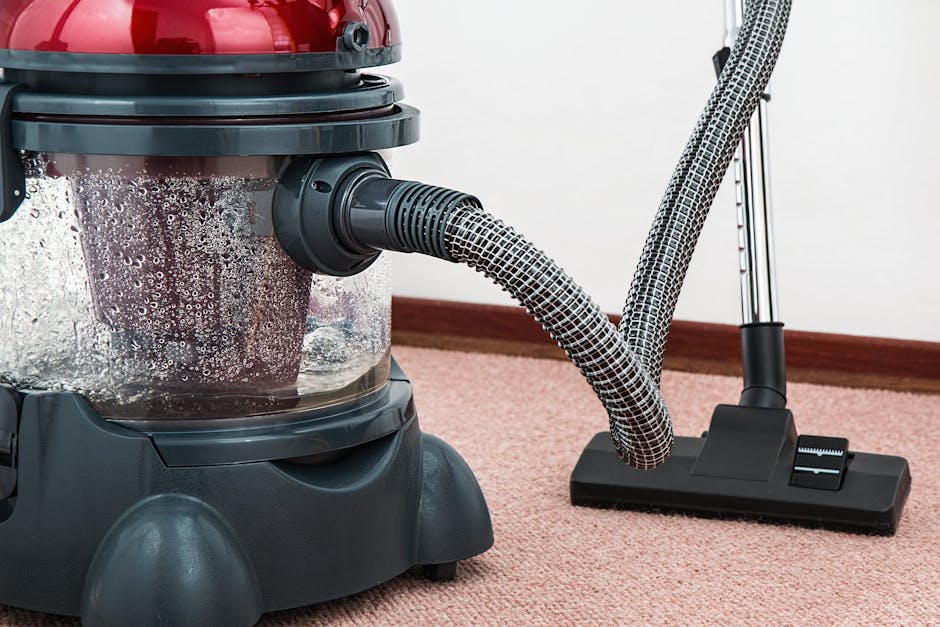
In many cases, the work begins with dry soil removal. This means vacuuming and agitating loose debris so it does not get pushed deeper into the fibres during wet cleaning. Then a suitable cleaning solution is applied. For many sofas, that solution is worked into the fabric and extracted with specialist equipment. For delicate fabrics, a lighter method may be safer. Not every sofa wants the same treatment, and to be fair, that is where many DIY attempts go wrong.
Common cleaning methods include hot water extraction, low-moisture cleaning, dry compound methods, and hand cleaning for delicate areas. The best method is not the one that sounds the most powerful. It is the one that matches the material.
A standard service may also include targeted stain treatment. This is especially useful for older marks where the spill has already bonded with the fabric. If odour is part of the problem, the cleaner may use a separate pet stain and odour removal approach or another specialist treatment depending on the cause.
Drying is the final stage, and it matters more than people think. Good airflow, sensible moisture levels, and proper extraction all help reduce drying time. You do not want a sofa that stays damp for ages. Nobody enjoys sitting down and getting that slightly cold, just-washed feeling for half the evening.
Key Benefits and Practical Advantages
There are several clear reasons people book upholstery cleaning rather than simply replacing the furniture.
- Improved appearance: Fabric colours can look brighter once surface dirt and dulling residue are removed.
- Better freshness: Lingering food, pet, and daily-use odours can reduce noticeably.
- Longer furniture life: Removing soil can reduce abrasive wear on fibres.
- More comfortable living space: A cleaner sofa tends to make the whole room feel tidier.
- Support for routine upkeep: Regular cleaning is easier than waiting for heavy staining to build up.
- Better first impression: Helpful if guests visit often or if the property is rented.
There is a practical side to all this as well. If your sofa is in a main reception room or a family lounge, it is probably the most used piece of furniture in the house after the bed. Maybe even more. It should not be treated like an afterthought.
Some people also combine sofa cleaning with upholstery cleaning for chairs, footstools, and fabric headboards so the whole room looks consistent. That tends to give a much better result than cleaning one item in isolation while the rest still looks tired.
Who This Is For and When It Makes Sense
This service is a good fit for lots of households and property types near Longford Station, including flats, family homes, shared houses, and rentals. It is especially useful if any of the following sound familiar:
- the sofa has visible marks or rings
- there is a faint smell you cannot quite locate
- pets sit on the furniture regularly
- children snack on the sofa, which is charming until it is not
- the fabric feels greasy on the arms or headrests
- you have just moved in and want a reset
- you are preparing for guests, a tenancy change, or a property sale
It also makes sense after seasonal life happens. Winter tends to bring more closed windows, more indoor living, and more build-up of smells. In summer, sunscreen, sweat, and general use can leave their own traces. Neither season is exactly kind to upholstery.
If your furniture is specialist, such as velvet, linen blend, viscose, or a wool-rich fabric, you should be extra careful. Different fabrics respond differently to moisture and agitation. A professional cleaner should be able to explain the likely result before starting, which is reassuring when you are dealing with something expensive or sentimental.
Step-by-Step Guidance
If you are booking sofa and upholstery cleaning near Longford Station for the first time, it helps to know what usually happens. The process is straightforward once you understand the sequence.
- Identify the fabric type. Check the care label if possible. This helps determine whether the item needs a wet clean, low-moisture approach, or extra caution.
- Assess the marks and odours. Make a note of spills, pet issues, high-traffic areas, and anything you want treated specifically.
- Vacuum thoroughly. Loose grit and debris should be removed first. Skipping this is a common DIY mistake.
- Pre-treat stains. Certain marks need a targeted product or technique before general cleaning starts.
- Apply the chosen cleaning method. This might involve extraction, gentle agitation, or a controlled low-moisture treatment.
- Inspect the result. Good cleaners will check for any remaining marks and repeat treatment if appropriate.
- Allow proper drying. Open windows where sensible, improve airflow, and avoid using the furniture until it is dry.
If you are arranging more than one service, it can be efficient to pair sofa cleaning with carpet cleaning or even a broader refresh of the room. One visit. Less fuss. A better finish. That sort of thing.
A small but useful tip: take quick photos of problem areas before cleaning starts. It is not about being fussy. It just makes it easier to compare results afterwards and keeps expectations realistic.
Expert Tips for Better Results
Most of the difference between an average clean and a strong one comes down to preparation and judgement. Here is what tends to help most in real homes.
- Act early on spills. Fresh marks are usually easier to lift than old set-in stains.
- Blot, do not rub. Rubbing spreads the stain and roughens the fibres.
- Use the right test patch. A discreet area should be checked first on sensitive fabrics.
- Keep cushions rotated. Even wear patterns can look worse than the actual dirt level.
- Use gentle airflow after cleaning. A fan or open window can speed things up without over-wetting the fabric.
- Think in zones. Arms, seat fronts, headrests, and cushion edges usually need extra attention.
A good cleaner will also be cautious with detergents. More chemical does not automatically mean better cleaning. In fact, leftover product can attract dirt again, which is annoying in a very specific way. You clean it, and then it seems to get dirty quicker. Not ideal.
Another useful habit is to ask what happens with difficult marks before the work begins. Some stains can be improved but not completely removed. Honest expectations are a good sign. If someone promises miracles for every mark, that is probably a red flag. Sofas are resilient, but they are not magic.
Common Mistakes to Avoid
Upholstery cleaning looks simple until it goes wrong. Then it can go very wrong indeed.
- Using too much water: Over-wetting can leave tide marks, slow drying, or even cause wicking as stains rise back to the surface.
- Choosing the wrong product: Some household cleaners are too harsh for delicate upholstery.
- Skipping fabric checks: Different materials need different methods.
- Rubbing stains aggressively: This often pushes the mark deeper.
- Cleaning only the stain: Spot-cleaning without blending the surrounding area can leave a patchy finish.
- Using furniture too soon: Sitting on a damp sofa can flatten fibres and slow drying further.
One of the most common issues is colour loss around a stain because someone scrubbed hard and fast with the first spray they found under the sink. Easy to do, honestly. Less easy to fix.
Another mistake is treating odour separately from the source. A smell from pet accidents, for example, can sit below the surface. If the cause is not dealt with properly, the smell may return. That is where a more targeted treatment, such as stain removal, can be useful alongside the main clean.
Tools, Resources and Recommendations
You do not need a warehouse full of equipment to look after upholstery, but a few sensible tools help a lot.
- Soft brush attachment vacuum: Useful for regular dust and crumb removal.
- Microfibre cloths: Good for gentle blotting and drying small areas.
- White towels: Helpful for controlling spills without transferring dye.
- Fabric-safe spot treatment: Best kept for small incidents, not deep-set grime.
- Airflow tools: Fans or dehumidifiers can assist drying if the room allows it.
For bigger jobs, professional cleaning equipment makes a clear difference because it can extract more soil and moisture than domestic kit. If you are comparing services, it is worth checking whether the cleaner offers a clear explanation of the method, how they handle delicate fabrics, and what kind of drying time you should expect.
Useful supporting services can also matter. For example, if the sofa issue is part of a wider refresh, sofa cleaning and curtain cleaning often work well together because both can affect how fresh a room feels. Curtains hold dust and odours more than people realise. Funny, really, how the room seems brighter once the soft furnishings are treated together.
Law, Compliance, Standards, or Best Practice
For most homeowners, the main concern is not legislation but safe, sensible practice. Even so, there are a few UK expectations worth keeping in mind. Reputable cleaners should use products and methods in a way that is safe for occupants, especially where children, pets, allergies, or limited ventilation are involved. They should also be careful with electrical equipment, moisture levels, and slip hazards during the work.
If you are booking services in a rental property or block-managed building, it is sensible to think about access, water use, drying time, and any house rules around noise or shared spaces. Nothing dramatic, just common sense really.
It is also good practice for providers to be clear about pricing, insurance, and what is and is not included. That kind of transparency helps customers make informed decisions and reduces friction later. Pages such as pricing and quotes, insurance and safety, and terms and conditions are useful places to check before you book any service.
On the environmental side, cleaning providers should aim to use water and products responsibly where possible. If sustainability matters to you, a page like recycling and sustainability can help show how the business thinks about waste, materials, and greener working habits.
Options, Methods, or Comparison Table
Different upholstery cleaning methods suit different situations. Here is a simple comparison to help you think it through.
| Method | Best for | Strengths | Things to watch |
|---|---|---|---|
| Hot water extraction | Durable fabric sofas and heavily used items | Strong deep clean, good soil removal | Needs sensible drying time; not ideal for all fabrics |
| Low-moisture cleaning | Sofas that need a quicker turnaround | Less drying, gentler on some materials | May be less effective on deep soiling |
| Dry compound cleaning | Delicate or moisture-sensitive upholstery | Very low moisture, useful for certain fabrics | Not the best fit for every stain type |
| Spot and hand treatment | Small isolated marks | Targeted, careful, controlled | Usually best as part of a wider clean |
If you are unsure, ask what method will be used and why. A proper answer should sound specific, not generic. "We clean all sofas the same way" is not the reassuring answer it might seem at first glance.
For furniture with stubborn marks, a combination approach often works best. That might mean general sofa cleaning, specific stain treatment, and then a follow-up look at any lingering problem spots. The key is matching the process to the fabric rather than forcing the fabric to fit the process.
Case Study or Real-World Example
Here is a typical example from a real-world type of situation, without dressing it up too much.
A family living near Longford Station had a three-seat fabric sofa in the main lounge. It looked generally fine from a distance, but up close the arms were shiny, the middle seat had a dull patch, and there was a faint pet smell after the dog had been curled up on it for months. The household had been cleaning small marks with shop-bought sprays, which helped for a day or two and then not much else.
During the clean, the sofa was inspected for fabric type, vacuumed thoroughly, pre-treated in the main problem areas, and then cleaned using a method suitable for the fabric. The cleaner paid extra attention to the front edges of the cushions and the armrests, where body oils and everyday grime had built up. After drying, the sofa looked lighter, smelled fresher, and the room as a whole felt less stuffy.
The most useful part? The family realised the sofa did not need replacing. It needed proper maintenance. That is a very common outcome, and honestly one of the most satisfying ones. A good clean can delay a costly purchase by quite a while.
If odour is a big part of the problem, especially where pets are involved, specialist treatment such as pet stain odour removal may be worth asking about. That is often where the stubborn cases live.
Practical Checklist
Use this quick checklist before booking or carrying out upholstery cleaning.
- Check the fabric care label if it is visible.
- Note any stains, odours, or damaged areas.
- Decide whether you need sofa-only cleaning or a wider refresh.
- Ask which method is likely to be used.
- Confirm whether delicate fabrics need special treatment.
- Prepare the room for access and airflow.
- Keep pets and children off the item while it dries.
- Ask about expected drying time.
- Check what is included in the quote.
- Request advice for future maintenance.
Useful takeaway: if you remember only one thing, make it this: better results come from matching the cleaning method to the fabric, not from using the strongest approach available.
Conclusion
Sofa and upholstery cleaning near Longford Station is really about protecting the things you use every day. A sofa is not just another piece of furniture. It is where people gather after work, where the dog jumps up before anyone has had a chance to stop it, and where the room quietly collects the story of your week. A proper clean helps reset all of that.
Whether you are dealing with visible stains, lingering odours, dull fabric, or simply the feeling that your lounge needs a fresh start, a thoughtful upholstery clean can make a noticeable difference. The main thing is to choose a method that suits the fabric, be realistic about what can be removed, and avoid the usual DIY traps. Small details matter. A lot.
If you are comparing options, reviewing service details, or planning a wider home refresh, it is worth looking at the relevant pages on about the company and the related service information so you know what to expect before anything is booked. That extra bit of clarity always helps.
Get a free quote today and see how much you can save.
And if your sofa has been quietly putting up with everything for far too long, well, maybe it is time to give it a proper reset. Fresh fabric changes the feel of a room more than people expect.
Frequently Asked Questions
How often should I book sofa and upholstery cleaning near Longford Station?
For most busy homes, a professional clean every 12 to 18 months is a reasonable rhythm, though households with pets, children, or heavy daily use may benefit from more frequent care. If the sofa starts to look dull or smell stale before then, do not wait for the calendar to tell you otherwise.
Can upholstery cleaning remove old stains?
Sometimes, yes, but not always completely. Older stains often bond more deeply with the fibres, so the result depends on the stain type, how long it has been there, and what was used on it before. A good cleaner should explain the likely outcome before starting.
Will my sofa be left very wet after cleaning?
It should not be soaked. A proper service aims to use the right amount of moisture for the fabric and then extract as much as possible. Some drying time is normal, but the sofa should not feel drenched.
Is steam cleaning suitable for all sofas?
No, not automatically. Some upholstery handles moisture well, while delicate or specialist fabrics need a gentler method. Steam or hot water extraction can work very well on the right fabric, but it is not a universal fix.
What if my sofa has pet smells?
Pet odours can sometimes sit deeper in the fabric or padding than a surface clean can reach. In those cases, a more targeted treatment may be needed. If the smell has a source stain, that should be addressed as part of the job.
Do I need to move the furniture before the cleaner arrives?
Not always. Many cleaners can work around a room layout, but it helps to clear small items, cushions, throws, and clutter so they can access the sofa properly. A bit of prep makes the whole visit smoother.
How long does upholstery take to dry?
Drying time varies depending on the method used, the fabric, room temperature, and airflow. Low-moisture methods usually dry faster, while deeper wet cleaning can take longer. Good ventilation helps, and patience helps even more, annoyingly enough.
Can cleaning remove grease from armrests and headrests?
Often, yes. Those high-contact areas are common trouble spots because skin oils and everyday grime build up gradually. They usually respond well to targeted pre-treatment and thorough cleaning.
Is it safe for children and pets?
It should be, provided suitable products and safe working practices are used. Still, it is wise to keep children and pets away from the furniture while it is drying, just to avoid contact with damp fabric or cleaning residues.
What should I ask before booking a cleaner?
Ask about the cleaning method, whether your fabric type is suitable, expected drying time, stain treatment options, pricing, and insurance. Clear answers are a good sign. Vague answers usually are not.
Can I combine sofa cleaning with other services?
Yes, and it often makes sense. Many people choose to combine upholstery cleaning with carpet cleaning, rug cleaning, or curtain cleaning so the whole room feels fresher at once. That can save time and create a more even result.
What is the main difference between sofa cleaning and upholstery cleaning?
Sofa cleaning focuses specifically on sofas, while upholstery cleaning is broader and covers chairs, footstools, headboards, and other fabric-covered furniture. In practice, the methods overlap a lot, but upholstery cleaning is the wider term.
For more detail on care, service standards, and related options, you can also review upholstery cleaning and sofa cleaning information where relevant. A little clarity goes a long way.