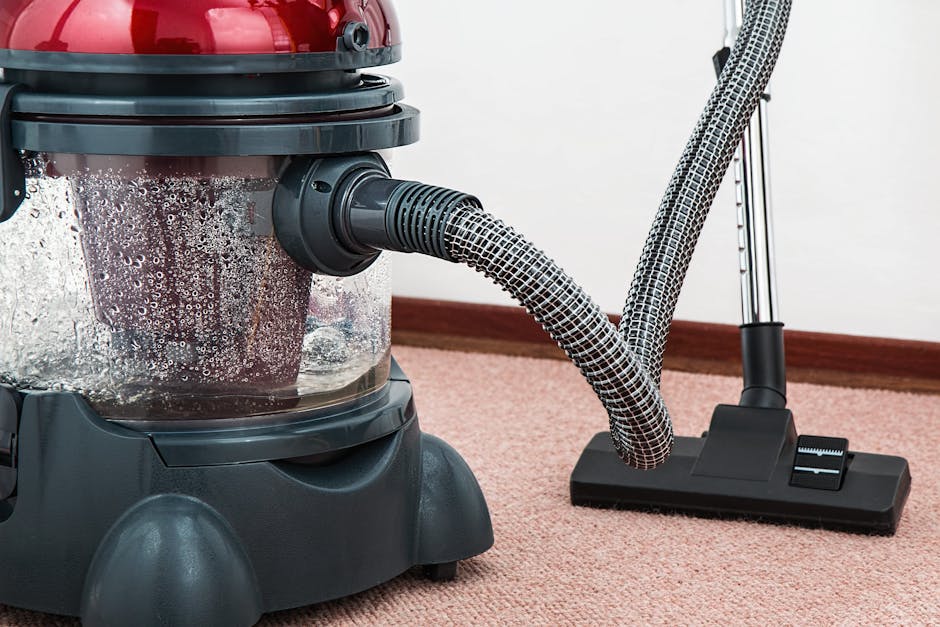
Longford High Street guide to carpet cleaning pros
If your carpets on or near Longford High Street are looking tired, holding onto odours, or just not bouncing back no matter how much you vacuum, you are not alone. Busy entrances, everyday footfall, pets, damp shoes, and the odd tea spill all add up. This Longford High Street guide to carpet cleaning pros is here to help you understand what professional cleaning actually involves, what to expect from a good provider, and how to choose the right service without second-guessing yourself.
There is a big difference between a quick surface clean and a proper deep clean that lifts grit from the pile, freshens the room, and leaves the carpet feeling noticeably softer underfoot. In our experience, most people want the same thing: a straightforward service, clear pricing, no drama, and results that last. Simple enough, but finding the right fit can still feel oddly complicated. Let's make it easier.
Below, you will find practical advice on methods, benefits, timing, costs, compliance, and the small details that make a real difference. If you are comparing providers, you can also explore the main carpet cleaning service and check the company's pricing and quotes information when you are ready to plan ahead.
Table of Contents
- Why Longford High Street guide to carpet cleaning pros matters
- How Longford High Street guide to carpet cleaning pros works
- Key benefits and practical advantages
- Who this is for and when it makes sense
- Step-by-step guidance
- Expert tips for better results
- Common mistakes to avoid
- Tools, resources and recommendations
- Law, compliance, standards, or best practice
- Options, methods, or comparison table
- Case study or real-world example
- Practical checklist
- Conclusion
- Frequently asked questions
Why Longford High Street guide to carpet cleaning pros Matters
Carpets do more than soften a room. They catch dust, pollen, crumbs, grit, pet hair, shoe residue, and spills before those things get spread around the house or workplace. That is helpful, of course, but it also means carpets quietly take the hit every day. On a street like Longford High Street, where people move in and out, that wear tends to show sooner than you might expect.
Professional carpet cleaning matters because vacuuming only removes loose debris. It does not fully deal with the particles embedded deeper in the fibres, the dulling effect of traffic lanes, or the sticky residue left behind by some DIY products. If a carpet has started to look flat in the doorway but still looks fine in the corners, that is a classic sign the pile needs deeper attention.
There is also the comfort factor. A cleaner carpet changes how a room feels. It smells fresher. It looks brighter in daylight. The whole place seems more looked after. That matters in homes, rental properties, shops, small offices, and commercial spaces alike. Truth be told, people notice carpets more than they admit.
Good carpet cleaning pros bring a mix of experience, method, and judgment. They know when to use hot water extraction, when a lighter approach is safer, and when stain treatment needs to be handled carefully rather than aggressively. That judgment is often what separates a decent result from a disappointing one.
How Longford High Street guide to carpet cleaning pros Works
At its simplest, professional carpet cleaning follows a pattern: inspect, pre-treat, clean, extract, and dry. The details vary depending on fibre type, soil level, access, and the equipment used. A proper provider will not rush straight in with a one-size-fits-all machine and hope for the best. They should look at the carpet first. Sensible, really.
Most services begin with a visual check. This helps identify fibre type, visible staining, wear patterns, and any areas that need extra care. Wool, synthetic blends, loop pile, and delicate rugs all respond differently. If a cleaner skips that step, ask yourself: do they really understand the job, or are they just aiming for speed?
After inspection, a pre-treatment is often applied. This loosens oily soils, breaks down common grime, and helps the main cleaning stage work more effectively. Agitation may follow, especially in heavier traffic areas. Then the chosen cleaning method is used, usually with controlled moisture and extraction to remove dirt from the carpet pile.
Drying matters just as much as cleaning. A carpet that is over-wet can feel unpleasant, take too long to dry, and in some cases become vulnerable to musty smells. Good pros keep the drying phase in mind from the start, not as an afterthought at 5 p.m. when everyone wants to head home.
For some jobs, standard carpet cleaning is enough. For others, you might need targeted stain removal, pet stain and odour removal, or even steam carpet cleaning where a deeper refresh is appropriate. Matching method to mess is the real skill.
Key Benefits and Practical Advantages
The most obvious benefit is appearance. A professionally cleaned carpet usually looks clearer, brighter, and more even in colour. Traffic lanes fade. Stubborn patches stand out less. That tired, greyish film that builds up over time often lifts in a way vacuuming never quite manages.
There are practical benefits too:
- Improved hygiene: dirt and residues are removed more thoroughly than with routine cleaning alone.
- Better indoor freshness: lingering odours from spills, pets, and general use are reduced.
- Longer carpet life: removing embedded grit can slow down wear on fibres.
- Better presentation: useful for homes, landlords, guest spaces, and customer-facing premises.
- More targeted treatment: stains, spots, and problem areas can be addressed with the right approach.
One benefit people often overlook is how professional cleaning can reveal the actual condition of the carpet. Sometimes what looked like permanent damage is mostly soil. Other times, a cleaner can tell you honestly that the fibre has been worn, not dirty. That honesty is helpful. It saves time and prevents unrealistic expectations.
There is also the small but satisfying thing that happens when you walk across a freshly cleaned carpet in socks. It just feels better. Softer, lighter, cleaner. A bit of a relief, if we are being honest.
Who This Is For and When It Makes Sense
This guide is useful if you are a homeowner dealing with the usual mix of muddy footprints and accidental spills. It is also relevant for landlords, letting agents, small business owners, shop managers, and anyone responsible for keeping a property presentable.
Professional carpet cleaning tends to make the most sense in these situations:
- the carpet has visible traffic lanes or dull patches
- a spill has left a stain that household cleaning has not shifted
- pets have left odour or repeated marks in one area
- a property is being prepared for sale, letting, or a handover
- you want a deeper seasonal clean rather than another quick vacuum
- a commercial entrance or corridor is starting to look tired
If you are managing a customer-facing space, timing matters. Many businesses prefer cleaning outside opening hours or at a quieter time of week to minimise disruption. That is where a commercial-focused provider can be especially helpful. You can look at the commercial carpet cleaning option if your needs are more business-oriented.
For households, the decision often comes down to a simple question: do you want to keep making do, or would you rather reset the room and start fresh? There is no mystery there. Sometimes you just know it is time.
Step-by-Step Guidance
If you are booking a professional cleaner for the first time, the process is usually smoother than people expect. Here is the typical sequence, with a few practical notes that can save you hassle.
- Assess the carpet honestly. Look at stains, wear, odours, and areas that get heavy footfall. The more specific you are, the better the advice you will get.
- Ask about the method. Different fibres and soil levels call for different approaches. A good cleaner should explain whether they plan to use extraction, steam-based cleaning, spot treatment, or a gentler process.
- Check access and drying conditions. Open access, parking, water supply, and ventilation can all affect the job. In a real home, little things matter more than people think.
- Prepare the room. Move small items, pick up loose objects, and vacuum if asked. That makes the cleaning more efficient.
- Confirm what is included. Stain treatment, deodorising, stairs, rugs, or upholstery may be separate. Better to know up front than to guess later.
- Let the carpet dry properly. Avoid walking on it too soon, especially in socks or bare feet if it is still damp. Patience pays off here.
If you have a rug or a mixed flooring setup, the cleaning plan may need to widen a bit. In those cases, a provider may suggest rug cleaning or upholstery cleaning as part of the same visit, especially if the room has a lot of textile surfaces. That can make the whole space feel consistent rather than half-done.
Expert Tips for Better Results
Here are the little things that tend to make the biggest difference. Some are obvious, some less so, but all of them help.
- Vacuum slowly before the clean. A quick pass is not enough. Give the fibres time to release loose grit.
- Point out problem spots. Don't assume the cleaner will spot every stain immediately. If there is a spill behind the sofa or a pet area by the hallway, mention it.
- Keep the room ventilated afterwards. Open windows where practical. Air movement helps drying and freshness.
- Avoid overusing DIY stain removers. Some products spread the stain or leave residue that attracts more dirt.
- Ask what happens with stubborn marks. A professional may need to treat some stains separately, and that is perfectly normal.
- Plan cleaning around use patterns. If your hallway gets muddy every morning, schedule service when the weather is likely to be kinder. Not perfect, just kinder.
A small tip from everyday experience: if a carpet has one repeated stain, like a drink spot near the same armchair, take a photo before the appointment. It sounds trivial, but it helps you compare before and after without relying on memory. Memory is funny like that. Very convenient, until it is not.
Common Mistakes to Avoid
The most common mistake is choosing on price alone. Cheap cleaning can look appealing, but if the provider uses the wrong method, over-wets the carpet, or skips proper pre-treatment, the result may be patchy or short-lived. A bargain that needs redoing is not a bargain.
Another mistake is treating every stain the same way. Coffee, food grease, pet urine, ink, and muddy soil each behave differently. The right response depends on fibre, age of the stain, and what was used before. If someone promises to remove absolutely everything without looking first, be cautious.
People also sometimes ignore the dry time. They book a clean, then need to walk across the carpet ten minutes later because the school run or a delivery has appeared. Life happens, of course. But if you can plan better, do. It saves frustration and reduces the chance of marks coming back.
Other errors include:
- not checking what is included in the quote
- failing to mention pets, prior treatments, or delicate fibres
- using heavy scrubbing on a spot that should be blotted or treated
- assuming all carpets can be cleaned the same way
- forgetting to ask about insurance and safety practices
That last one is worth saying plainly. Any cleaner working in your home or business should be able to explain how they handle safety, equipment, and liability. You do not need a lecture. Just clarity.
Tools, Resources and Recommendations
You do not need to become a carpet technician yourself, but it helps to understand the basic tools and service pages that support a good decision.
Useful service categories to consider:
- general carpet cleaning for routine deep cleaning and refreshes
- steam carpet cleaning for a deeper extraction-led clean
- stain removal for targeted spot issues
- pet stain odour removal where smells and repeated accidents are part of the problem
- mattress cleaning if bedroom hygiene needs a wider reset
- sofa cleaning or curtain cleaning if the room textiles need to match the carpet finish
Questions worth asking before booking:
- What method do you recommend for my carpet type?
- How long should drying take in normal conditions?
- Are stain treatments included or charged separately?
- Do you carry insurance and follow documented safety procedures?
- What should I do before you arrive?
For a fuller sense of the company's approach, the about us page is useful, and the insurance and safety information helps if you want added reassurance before anyone steps through the door.
Law, Compliance, Standards, or Best Practice
Carpet cleaning is not usually the kind of thing people associate with compliance, but there are still sensible standards to pay attention to. In the UK, professional cleaners are generally expected to work safely, use equipment responsibly, and handle chemicals with care. For homes and workplaces alike, that means sensible risk control, proper training, and clear communication.
If a cleaner is visiting a commercial site, it is reasonable to expect awareness of health and safety responsibilities, especially around wet floors, cable management, ventilation, and access. That does not need to become bureaucratic. It just needs to be careful and consistent.
From a customer perspective, the most useful things to verify are:
- Insurance: if something goes wrong, you want to know there is cover in place.
- Safety practices: equipment, chemicals, and work areas should be managed with care.
- Payment security: especially if you are paying online or in advance.
- Clear terms: you should know what is included, what is extra, and how cancellations or complaints are handled.
Policies like terms and conditions, payment and security, and the complaints procedure are not exciting reading, let's face it, but they do help set expectations. That is worth a few quiet minutes.
There is also a growing expectation that service providers think about responsible disposal and lower-waste working where possible. If sustainability matters to you, the recycling and sustainability page is a good place to see how those values are handled in practice.
Options, Methods, or Comparison Table
Different carpets, stains, and settings call for different approaches. Here is a simple comparison to help you think it through.
| Method | Best for | Strengths | Watch-outs |
|---|---|---|---|
| Standard carpet cleaning | Routine refresh and general dirt | Balanced clean, practical for most homes | May need extra stain treatment for heavy marks |
| Steam carpet cleaning | Deeper soil removal and fresher finish | Good for embedded grime and a more thorough clean | Drying time needs planning |
| Targeted stain removal | Specific spills or spots | Focused treatment, useful for problem areas | Not every stain can be fully removed |
| Pet stain and odour removal | Accidents and lingering smells | Addresses both visible marks and odour sources | Older damage may need more than one treatment |
| Rug cleaning | Loose rugs and decorative pieces | Helps protect fibres and colours | Material sensitivity matters a lot |
If you are comparing methods, ask yourself what outcome matters most. Is it appearance? Odour control? A faster turnaround? Better hygiene? Once you know the goal, the right option usually becomes obvious. Or at least, much less confusing.
Case Study or Real-World Example
Imagine a small shop or cafe near Longford High Street with a carpeted entrance and a busy day-to-day routine. Over time, the first few steps inside become darker than the rest of the floor. Rainy mornings bring in grit. Customers pause there with wet shoes. A faint smell hangs around after closing. Nothing dramatic, just enough to make the place feel a bit tired.
A good carpet cleaning pro would start by checking the fibre type and the worst traffic lanes. They might pre-treat the entrance area, then use a controlled cleaning method with extraction to lift the grime without flooding the floor. If there is a stubborn mark from a dropped drink or food spill, they would treat that separately rather than scrubbing the whole area harder and hoping for magic.
After the clean, the difference is usually not just visual. The entrance feels lighter. The air feels fresher. People coming in the next morning notice before they consciously notice. That is the thing with textiles in a busy space: once they are clean, the room behaves better. Sounds a bit odd, but it is true.
For a home version of the same story, think of a hallway carpet where one dog-related stain keeps coming back. The owner has tried sprays and blotting, but the smell returns on damp days. In that case, a specialist approach like pet stain odour removal is usually a more sensible path than another round of household products.
Practical Checklist
Use this checklist before you book. It keeps the process calm and avoids last-minute surprises.
- Identify the main issue: dirt, stain, odour, wear, or all of the above
- Note your carpet type if you know it
- List any areas with repeated staining or pet accidents
- Decide whether you need carpet only or a wider textile clean
- Check whether you need cleaning at home or for a commercial property
- Ask about method, drying time, and what is included
- Review insurance, safety, payment, and terms information
- Prepare the room by moving small items out of the way
- Plan ventilation for after the clean
- Leave enough time for proper drying
Quick expert summary: the best results come from matching the method to the material, being clear about the problem, and allowing enough time for drying. Not glamorous. Very effective.
Conclusion
The best Longford High Street guide to carpet cleaning pros is not really about fancy equipment or clever sales talk. It is about good judgment, clear communication, and a method that suits your carpet rather than forcing the carpet to suit the method. That is the difference you will feel in the room afterwards.
If you remember only a few things, keep these in mind: identify the real problem, ask what method will be used, check the practical details, and do not ignore drying time. If you are still comparing options, start with the main carpet cleaning service, then review the company's pricing and quotes and about us information so you can make a decision with confidence.
Get a free quote today and see how much you can save.
And if the carpet has been bothering you for a while, well, there is a nice feeling in sorting it properly. One job done well can change the whole feel of a home or business. Funny how that happens.
Frequently Asked Questions
What does a professional carpet cleaning pro actually do?
A professional usually inspects the carpet, identifies the fibre and problem areas, applies pre-treatment, cleans with a suitable method, extracts dirt and moisture, and helps you understand drying time and aftercare. The useful bit is the judgment they bring, not just the machine they use.
How often should carpets be professionally cleaned?
It depends on use. A quiet room may need attention less often than a hallway, shop floor, or family space with pets and children. If a carpet is looking dull, holding odours, or showing traffic lanes, that is often reason enough to book sooner rather than later.
Is steam carpet cleaning better than other methods?
Not always. Steam carpet cleaning can be excellent for deeper soil removal, but the best method depends on carpet fibre, condition, and the type of staining. A good provider should explain why they recommend one approach over another instead of defaulting to a single option every time.
Can all carpet stains be removed?
No, and any honest cleaner will say that. Some stains are set, some have already been treated with the wrong product, and some have damaged the fibres. Good stain removal improves the odds, but it cannot undo every problem completely.
How long does carpet drying usually take?
Drying time varies based on method, ventilation, humidity, carpet thickness, and how much moisture was used. Planning for proper drying is wise. If someone promises an instant result without seeing the carpet, be a little cautious.
Do I need to move furniture before carpet cleaning?
Usually small items should be moved, and larger furniture may be handled by arrangement. It is best to ask in advance so you know what is expected. A little preparation makes the visit smoother and helps the cleaner work more efficiently.
What should I do before the cleaner arrives?
Vacuum if asked, clear away small objects, point out stains and pet areas, and make sure access is ready. If you have a rug, sofa, or curtains that also need attention, mention those too so the visit can be planned properly.
Is professional carpet cleaning safe for pets and children?
It should be, if the products and methods are used correctly and the carpet is allowed to dry properly afterwards. That said, it is sensible to keep children and pets away from damp areas until the clean is complete and the floor is ready to use.
What should I look for in a carpet cleaning company?
Look for clear explanation, relevant experience, insurance, safety practices, transparent pricing, and a sensible complaints process. The best companies sound straightforward, not flashy. You want competence, not theatre.
Are commercial carpet cleaning services different from domestic ones?
Yes. Commercial work often needs more flexible scheduling, higher footfall awareness, and a plan that suits business operations. If you manage a shop, office, or hospitality space, commercial carpet cleaning is usually the better fit because it is designed around those practical realities.
What if my carpet needs more than one service?
That happens all the time. A room might need carpet cleaning plus sofa cleaning, or a hallway clean alongside rug cleaning or upholstery cleaning. Combining services can be more efficient and helps the whole room feel properly refreshed rather than half finished.
Where can I check safety, payment, or complaints details?
Those details are usually set out in the provider's published policies. On this site, the most relevant pages are insurance and safety, payment and security, and the complaints procedure. They are worth a look before you book, even if you only skim them.
How do I know whether I need stain removal or a full carpet clean?
If there is one isolated mark, targeted stain removal may be enough. If the carpet overall looks flat, grey, or tired, a full clean is usually the better call. In real life, the answer is often both: a general clean with extra attention to one or two stubborn spots.